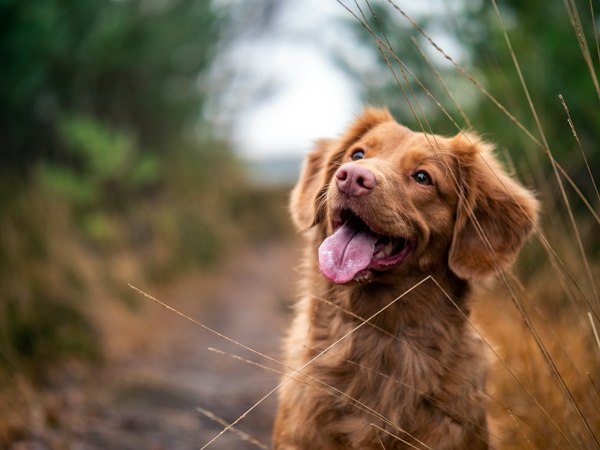
Everything you need to know about caring for a dog while their owner is away โ from feeding and exercise to safety, routines, communication, and responsible pet care.
A practical introduction for first-time and experienced dog sitters.
Dog sitting means caring for a dog while the owner is temporarily away. Depending on the arrangement, a dog sitter may visit the home, stay with the dog, provide meals, take the dog for walks, offer companionship, and help maintain the dog's normal routine.
Successful dog sitting is about more than simply giving a dog food and water. A responsible sitter should understand the dog's individual routine, exercise needs, behavior, house rules, emergency contacts, and any instructions provided by the owner.
Whether you are watching a friend's dog for a weekend, helping a neighbor, starting pet sitting as a service, or caring for a family pet โ preparation can make the experience safer and more comfortable for everyone.
Good dog sitting combines consistency, communication, attention, and responsible pet care.
Follow the owner's instructions about meal timing, portions, treats, and access to fresh drinking water.
Dogs need appropriate physical activity. Walks and playtime should match the dog's age, energy level, and normal routine.
Attention, play, and calm companionship can help a dog feel comfortable while their owner is away.
Maintaining familiar routines can help reduce unnecessary disruption during the owner's absence.
Responsibilities vary depending on the dog and the owner's instructions.
A simple preparation process can make your first dog-sitting experience much easier.
If possible, meet the dog and owner before the sitting period. This gives you an opportunity to learn about the dog's personality, habits, and routine.
Ask about food, treats, walks, sleeping arrangements, behavior, house rules, emergency contacts, and anything else important to the dog's care.
Keep feeding times, walks, medications if applicable, contact information, and other instructions somewhere easy to access.
Know where food, water bowls, leash, cleaning supplies, and other necessary items are located.
Avoid unnecessary changes and follow the owner's established routine as closely as reasonably possible.
Pay attention to the dog's behavior and general condition, and contact the owner if something unexpected happens.
Every dog is different. Use the owner's instructions as the primary guide.
Safety should always be one of the highest priorities when caring for someone else's dog.
Dogs can behave differently when their owners are away. Check doors, windows, fences, and gates, and avoid leaving opportunities for accidental escape.
Ask the owner about fear, anxiety, resource guarding, interactions with other animals, and situations that may make the dog uncomfortable.
Keep potentially harmful household substances, unsuitable foods, and small objects away from curious dogs.
Be particularly careful when opening doors or gates. A nervous or excited dog may attempt to run outside.
Use the dog's normal leash, collar, or harness according to the owner's instructions and make sure equipment is secure before going outside.
A walk should be appropriate for the individual dog rather than based on a one-size-fits-all routine.
Consider weather and environmental conditions before deciding when and where to walk.
Use familiar walking equipment and follow any instructions provided by the dog's owner.
Choose a safe, familiar walking area and remain attentive throughout the walk.
Pay attention to body language, surroundings, and interactions with other people and animals.
Use this list before the owner leaves.
| Item | What to Confirm |
|---|---|
| Food | Location, feeding time, portion, and treats |
| Water | Where the bowl is and how often it should be refreshed |
| Walks | Usual schedule, route, and walking equipment |
| Bathroom | Normal bathroom routine |
| Sleeping | Where the dog normally sleeps |
| House Rules | Rooms or furniture the dog can access |
| Emergency Contact | Owner's phone number and backup contact |
| Veterinary Information | Owner-provided veterinary contact information |
| Leash / Collar | Location and proper use |
| Security | Doors, windows, gates, and fences |
Some dogs adjust quickly while others may need more time and reassurance.
Following the owner's instructions, familiar bedding, toys, or other comfort items may help maintain a familiar environment.
Regular feeding, walks, and rest periods can help make the day predictable.
Give the dog space if it appears nervous or uncomfortable. Allow trust to develop naturally.
Learn to notice signs that the dog may be relaxed, excited, nervous, uncomfortable, or overwhelmed.
Clear communication can give owners confidence while they are away. Agree beforehand on how often you will provide updates.
Your complete blueprint for confident, stress-free dog sitting โ from preparation to daily care and beyond.
A comprehensive resource designed to help you become a confident, responsible, and trusted dog sitter.
This is an affiliate/sponsored recommendation. Product availability, pricing, features, and terms are determined by the seller.
Everything you need to know about dog sitting.
Dog sitting involves caring for a dog while its owner is away. Depending on the arrangement, this can include feeding, walks, bathroom breaks, companionship, and maintaining the dog's normal routine.
A dog sitter should follow the owner's care instructions, provide food and water, maintain appropriate exercise and bathroom routines, keep the dog safe, and communicate important updates to the owner.
Ask about feeding, walks, bathroom routines, sleeping arrangements, behavior, house rules, emergency contacts, veterinary information, and anything else specific to the dog's care.
Meet the dog beforehand when possible, understand its routine, write down important instructions, know where essential supplies are located, and make sure you have the owner's contact information.
There is no universal schedule for every dog. Follow the owner's normal routine and consider the dog's age, health, temperament, and exercise needs.
Follow the owner's established routine, provide a calm environment, and avoid making unnecessary changes. If the dog shows severe distress or potentially dangerous behavior, contact the owner and seek appropriate professional guidance.
Contact the owner promptly and follow their instructions. For a serious or potentially life-threatening situation, seek appropriate veterinary assistance without unnecessary delay.
Dog sitting commonly involves caring for a dog in its familiar home environment or through an agreed sitting arrangement, while boarding typically involves the dog staying at a dedicated boarding facility or another designated location.